Budgeting for a Second Baby (When Big-Kid Costs Are Already a Thing)
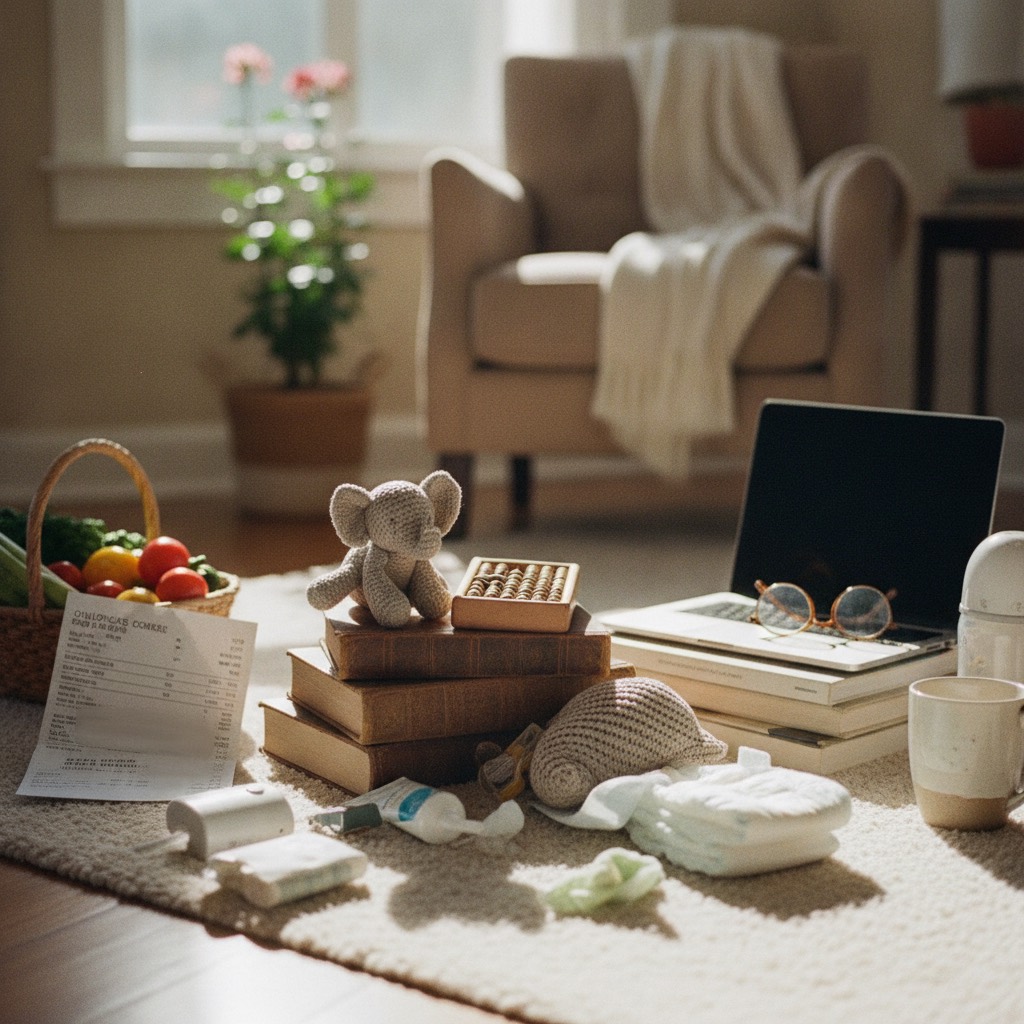
Baby #2 costs way less in gear than baby #1 (you already own most of it) — but more in overlap, because your big kid's school, activities, and childcare don't hit pause. Reuse the big stuff, rebuy the safety/consumable stuff (car seats expire!), and budget for the real surprise: funding two kids' stages at once. Start a small monthly 'baby #2' sinking fund now and buy secondhand without shame.
On this page
Okay so — grab your iced white chocolate latte (or whatever caffeinated sanity-saver you’re running on today) and pull up a chair. I am the one who runs the numbers in our household. Hubs loves to tease me about it, but the second we started having real conversations about what life looks like when expanding from a family of three to a family of four, my immediate reaction wasn’t just swooning over newborn onesies — it was opening a blank Google Sheet.
Because listen: budgeting for a second baby is a totally different ballgame than planning for your first. It isn’t necessarily harder, but it is infinitely sneakier. When you have baby number one, you are staring down a blank slate. You are starting from financial zero with baby gear, which means your brain naturally expects a massive upfront hit. You register for everything from the heavy-duty stroller to the tiny, useless nail clippers that sound like a good idea at 2:00 AM. But with baby number two? You’re walking into it thinking, “Hey, we’ve got this! We already bought all the big stuff!”
And while that’s partly true, there is a giant, overlooked curveball waiting in the wings: your first kid didn’t suddenly become free. In fact, your big kid is actively eating through your grocery budget like a tiny linebacker while outgrowing their shoes every eleven minutes.
Let’s break down how to tackle the second-baby budget without losing your mind, your financial sanity, or your iced coffee.
Why is budgeting for baby #2 so different than baby #1?
Let’s do a quick reality check on the mindset shift between baby one and baby two. With your first, the baby is the entire budget focus. Every spare dollar gets funneled into nurseries, birth prep, and hoarding three different brands of swaddles because you don’t know yet which one your child won’t scream in.
With a second baby, you are managing a split economy in your own living room. You are juggling newborn expenses (which are high-frequency, low-cost consumables like diapers, wipes, and formula) alongside big-kid expenses (which are high-ticket items like preschool tuition, activity fees, and actual meals).
My son Luke is 4 years old, and I swear to you, watching a 4-year-old’s budget in real-time is an eye-opening experience. He’s at that age where he needs actual hiking boots for our weekend trail runs here in the Colorado mountains, his own little fishing rod (because using daddy’s gear isn’t going to cut it anymore), soccer sign-up fees, and roughly seventy-two snacks a day. So when you start adding a second child to the mix, you aren’t just adding a baby to your monthly balance sheet. You are balancing two entirely different developmental eras at the exact same time.
What big baby gear can you actually reuse (and how do you audit it)?
Let’s start with the great news, because we love a financial win around here. The absolute best part about having a second baby is that your garage, storage closets, and under-bed bins are essentially a free baby boutique. So much of the big, wallet-draining nursery stuff has a multi-kid lifespan.
Before you spend five seconds browsing registry sites or clicking “add to cart,” you need to go shop your own home. Put on a podcast, grab a notepad, and head down into the basement or out to the garage to audit your gear.
Stuff that usually survives round one with flying colors:
- The heavy nursery furniture: The crib, the changing table, the dressers, and the glider chair. Wood and sturdy upholstery do not expire. Unless your first kid literally gnawed through the crib railing like a beaver during teething, this stuff is solid for round two.
- Bouncers, swings, and play mats: Give them a good wipe-down or throw the fabric covers in the washing machine on delicate. Luke’s old infant swing sat in our storage tub for years, and after a 20-minute wipe session, it looks brand new.
- Baby carriers and wraps: Fabric wraps, structured hiking carriers, and ring slings hold up insanely well.
- The breast pump motor and main hardware: While you’ll want to replace the plastic tubing, valves, and breast shields for hygiene reasons, the actual motor unit from your insurance-covered pump is often good to go.
- The giant plastic tub of infant clothing: Be honest — you kept it. We all kept it. That sentimental tub of 0–3 month zipper sleepers you couldn’t bear to donate? It’s officially paying dividends.
Take an inventory of what you already have before you write down a single item on your “to-buy” list. You’ll shock yourself with how much you actually saved.
What gear do you actually need to buy new?
Now for the part that the ultra-frugal “you don’t need to spend a dime on baby #2!” posts completely ignore. Some things shouldn’t be reused, and pretending you don’t need to buy them is just going to sabotage your budget down the road.
Here is your non-negotiable “buy new or inspect heavily” shopping list:
- Car seats: This is a zero-compromise safety issue. Infant car seats have strict expiration dates (usually 6 to 10 years from the date of manufacture, printed right on the white label on the bottom or back of the seat). Plastic degrades over time, especially in extreme heat or cold. Plus, if a car seat has ever been in a moderate-to-severe crash, it needs to be retired immediately. Do not buy a used car seat off strangers on the internet, and double-check your old one before clicking it into the base.
- Crib mattresses: Unless your first kid’s mattress is still firm, completely clean, and sag-free, safety standards recommend a fresh, firm mattress for a newborn to prevent safety hazards.
- Consumables and wear-and-tear items: Diaper rash cream, pacifiers, bottle nipples (silicone breaks down over time and can tear), pump valves, and milk storage bags.
- Seasonally mismatched clothes: Here’s a sneaky trap! If your first baby was born in July in Colorado and you had them living in onesies and short sleeves, but your second baby is due in the dead of winter, those 0–3 month outfits aren’t going to work. You’re going to need cozy fleece sleep sacks, snowsuits, and long sleeves. You don’t need a whole new wardrobe, but you will need a seasonal bridge.
Why is the “big-kid tax” the real budget surprise?
Let’s talk about the big kid again, because this is where parents get caught totally off guard. When you are planning for a second child, you naturally project baby costs: diapers ($80/month), formula ($150/month if needed), baby wipes ($20/month). Easy math, right?
What you forget is that while you are feeding a baby, your 4-year-old is operating at peak activity levels.
Here is what the “big-kid tax” actually looks like in real life:
- The childcare double-whammy: This is the single biggest financial mountain for most families. If you use full-time daycare or preschool, you might briefly find yourself paying for a preschooler AND an infant simultaneously. Even if your oldest is heading into public kindergarten soon, you still have after-school care, summer camps, and activity programs to budget for.
- The food budget explosion: I used to think people were exaggerating when they talked about how much food kids eat as they get older. They are not. My 4-year-old eats his weight in berries, cheese sticks, and snacks every four days. When you’re running to the grocery store to buy baby formula and you also have to drop $150 on toddler snacks and dinner staples, the register total hits different.
- Gear upgrades for the older child: You might need to buy a double stroller (or an extension board for your existing stroller), a toddler bed if you’re pulling the old crib back into service for the baby, or a booster seat to clear out the convertible car seat.
- Enrichment and sanity costs: When you have a baby and a 4-year-old, you cannot just stay trapped inside the house for six months straight. Your 4-year-old will climb the drywall. That means budgeting for local museum memberships, indoor playground passes on rainy days, or extra weekend activities to keep the big kid burning off energy while you nurse or bounce a baby.
How do you build a practical, stress-free second-baby budget?
If you’re feeling a sudden urge to panic-close this article, take a deep breath! Remember: I don’t look at numbers to get stressed — I look at numbers so I can feel in control.
Here is the exact step-by-step strategy for building a budget that actually works for baby #2:
1. Set up a dedicated “Baby #2 Sinking Fund”
Do not try to cash-flow second-baby expenses out of your regular monthly checking account if you can avoid it. Set up a separate high-yield savings account right now and name it “Baby #2 Sinking Fund.” Automatically transfer a set amount into it every single payday — whether that’s $50, $150, or $300. When you need to buy the new car seat, double stroller, or three boxes of newborn diapers, pull the cash directly from that fund. It completely takes the panic out of big purchases.
2. Run the realistic childcare overlap math
Sit down with your partner (or your financial calendar) and map out the exact timeline of your childcare expenses.
- When will a new baby start daycare or nanny care?
- How many months will that overlap with your oldest child’s preschool or daycare tuition?
- When does the oldest transition to public school, lowering your tuition costs?
Knowing the exact “crunch period” (e.g., “We will have double childcare costs from September through May”) allows you to save aggressively ahead of time to subsidize those specific heavy months.
3. Embrace the “Secondhand First” rule
There is zero shame in the secondhand game, mama. In fact, by your second kid, buying everything brand new feels almost silly. Babies use gear for such a brief flash of time that Facebook Marketplace, local Buy Nothing groups, and consignment sales are overflowing with practically pristine items.
- Double strollers: A top-tier double stroller can easily run $800 to $1,200 new. You can almost always find the exact same model secondhand for $300 to $400, clean it up, and save hundreds.
- Clothes bundles: Look for “baby girl/boy clothing lots” on local buy/sell pages. People literally sell entire tubs of name-brand clothes in size 0–12 months for $30.
4. Separate the “Needs” from the “Gadget Traps”
I love a good baby gadget. If it plugs in, connects to Bluetooth, or promises to lull a baby to sleep in four seconds, I am instantly intrigued. But the second time around, you know better. You know that a $300 smart bassinet isn’t guaranteed to make your baby sleep, and a fancy wipe warmer usually just turns wipes into warm, dried-out paper.
Make a strict list of actual necessities (safe sleep space, car seat, diapers, basic clothes, feeding supplies) and treat everything else as a “wait and see if this specific baby actually cares” purchase.
How do you include your big kid without spending a fortune?
When you’re bringing a second baby into the fold, it’s super tempting to spend a ton of money on “big brother gifts,” expensive new toy sets to keep them occupied, or elaborate nursery decorations to make everything feel special.
Here is the secret: your 4-year-old does not care about how much money you spend. They care about connection and ownership.
Instead of dropping a hundred bucks on an elaborate gift “from the baby,” give your big kid an active, zero-dollar role in the process:
- Let them help pick out two or three outfits from the hand-me-down tub for the baby’s dresser.
- Teach them how to test the baby’s gear (Luke loves being the official “button pusher” for testing swing speeds or checking flashlight batteries for camping trips).
- Pass down a special toy or book from their own toddler days with real ceremony (“I think you’re big enough now to officially hand this board book down”).
- Keep high-value “special activities” simple: a box of fresh dollar-store coloring books, water-reveal pads, or kinetic sand kept in a special bin that only comes out when you are nursing or put the baby down for a nap.
Frequently asked questions
Do I really need a double stroller for a 4-year-old and a newborn?
It depends entirely on your lifestyle! If you’re like us and love long outdoor walks, family hikes, or going to big places like zoos and festivals, a double stroller (or a stroller with a ride-along board attachment) is a lifesaver. A 4-year-old can walk pretty far, but when their little legs tire out two miles from the car, having a spot for them to hop on prevents total meltdowns. If you mostly do quick trips to the grocery store or Target, a single stroller for the baby while letting your 4-year-old walk is usually totally fine.
What is the best way to handle clothing hand-me-downs if the genders or seasons don’t match?
Don’t throw out the tub just because the genders or seasons don’t match up perfectly! Neutral basics like white onesies, grey sleep sacks, denim jackets, and solid sleepers work for any baby. Sort through your old stash first, pull out all the gender-neutral and basic layers, and only buy season-specific or gender-specific items to fill the gaps.
How much money should I realistically put in a second-baby sinking fund?
A good benchmark is aiming for $1,500 to $3,000 if you already own major furniture and gear, or closer to $4,000 to $5,000 if you have a significant childcare overlap
Affiliate link — if you sign up or buy through it, My Mama Mode may earn a small commission at no extra cost to you. As an Amazon Associate, My Mama Mode earns from qualifying purchases. My Mama Mode also participates in other retailer affiliate programs. Learn more.
Frequently asked
You can reuse your older child's car seat, but you have to check a few non-negotiable safety details first. Check the label on the bottom or back to make sure it has not hit its expiration date, which is usually six to ten years after manufacturing. Also, if that seat was ever in a moderate-to-severe crash, it needs to be retired immediately, which is why buying used seats from strangers is off the table.
Sturdy nursery items like cribs, dressers, gliders, bouncers, baby carriers, and even your breast pump motor unit hold up insanely well for round two. You can also pull out that giant tub of infant clothing you saved, especially neutral basics like onesies and sleep sacks. Just plan on buying fresh items for consumables like bottle nipples, pacifiers, and pump tubing.
Keep it super simple with a special activity bin filled with budget-friendly wins like dollar-store coloring books, water-reveal pads, or kinetic sand. The secret sauce is making sure that bin only comes out when you are nursing or putting the baby down for a nap. You can also give your big kid zero-cost jobs to make them feel included, like helping test baby swing speeds or picking out outfits.
Tap the one that fits, mama — no comment box, no pressure ✦
Keep reading, mama
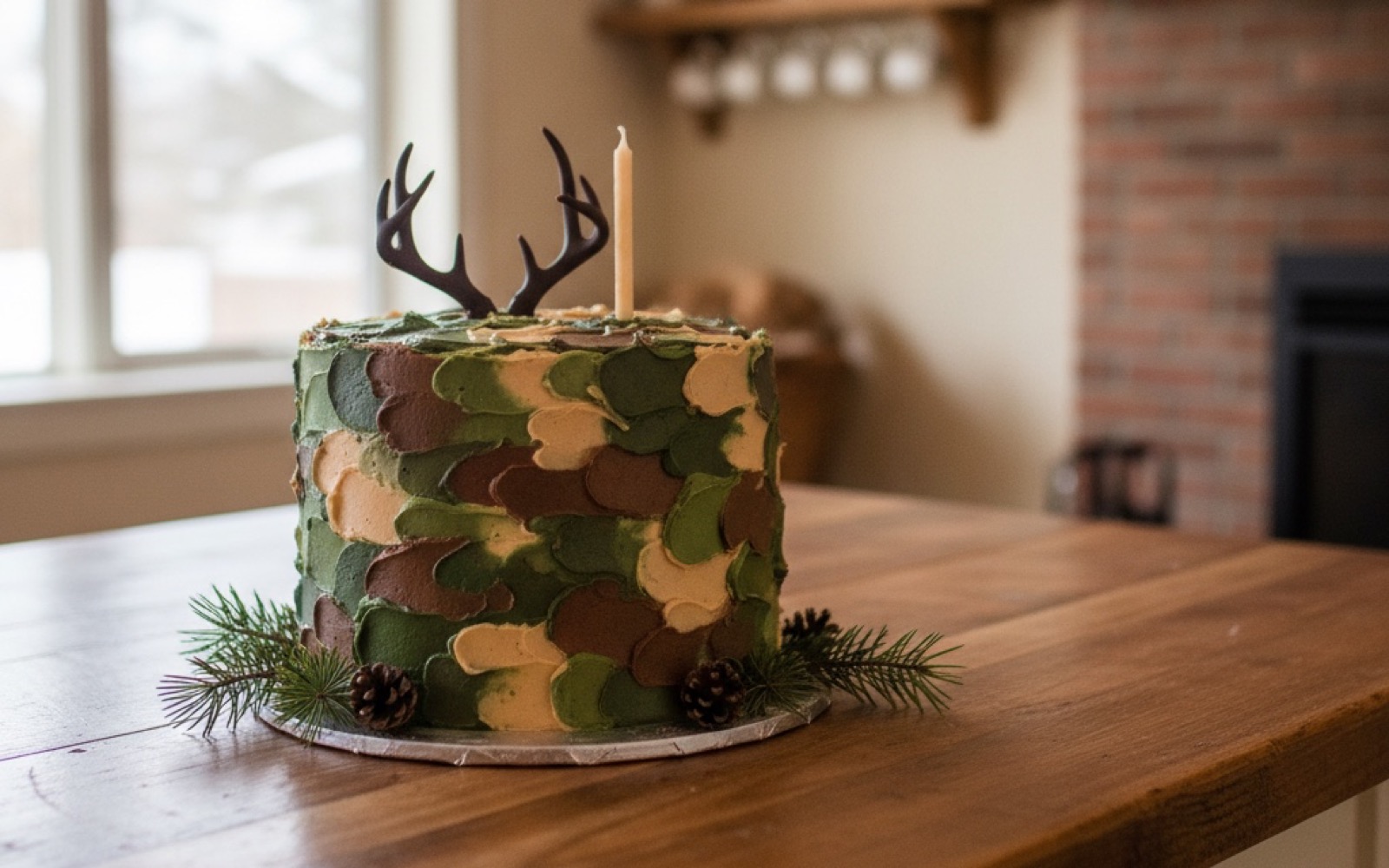
How to Throw an Epic 4-Year-Old Birthday Party Without Losing Your Sanity or Your Savings
Planning a party for a wild, sweet 4-year-old? Here is my honest, budget-friendly guide to throwing an epic bash without going broke or losing your mind.
How We Stopped Feeling Like Roommates After Kids (Without Fake Date Nights)
Tired of passing your spouse like ships in the night? Here is how Hubs and I reconnected without grand gestures or fake perfection.

Okay So… How to Ditch Mom Guilt for Craving Alone Time (Without Feeling Like a Monster)
Feeling guilty every time you want five minutes away from your kid? Here is my honest, real-talk guide to dropping the mom guilt and taking actual me-time.