Ditching the Nap Without Losing Your Mind: My 5-Year-Old’s Quiet Time Playbook

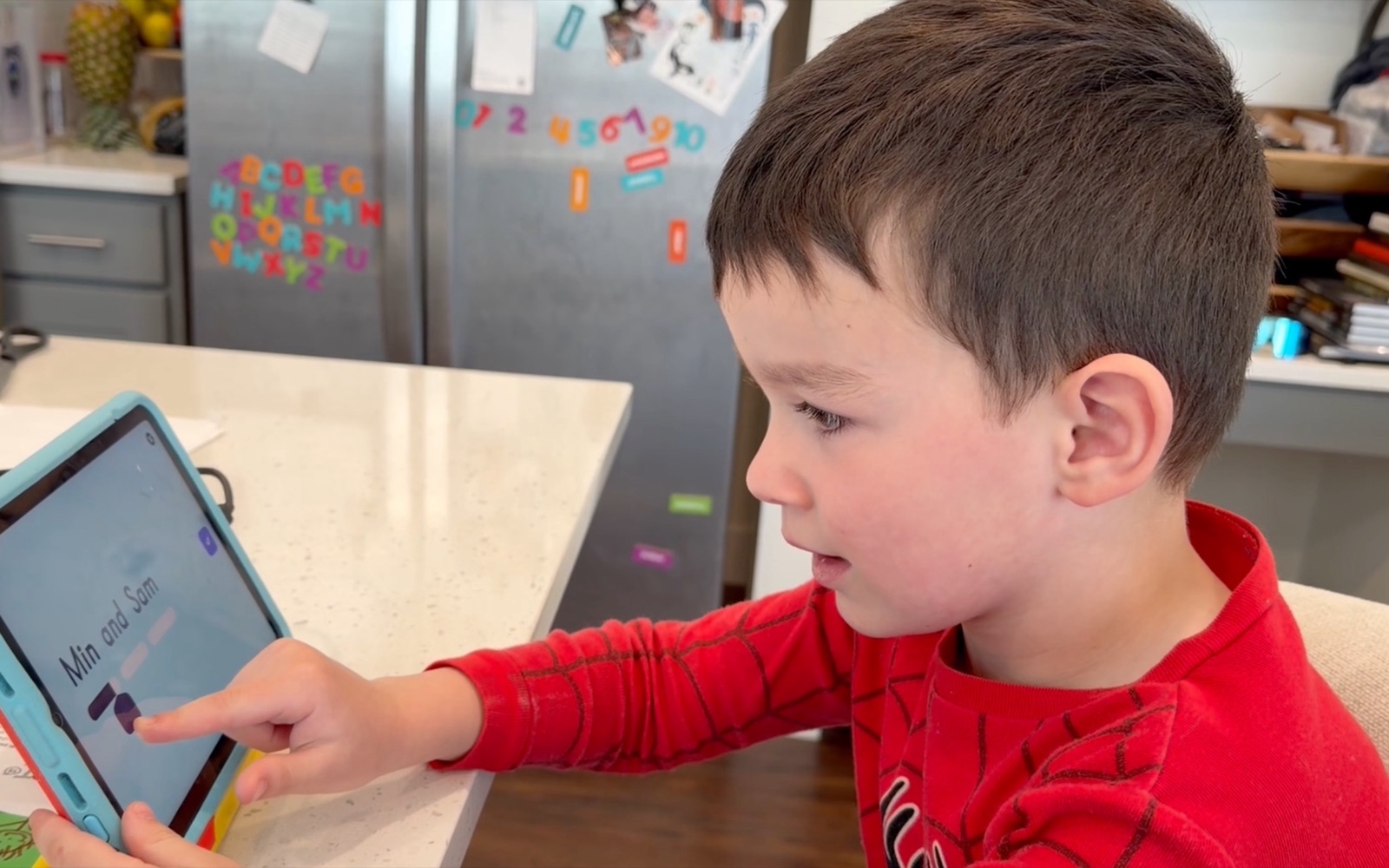
Transitioning a five-year-old from afternoon naps to independent quiet time saves everyone's sanity. By using visual timers, scratch-made snacks, and screen-free audio or building activities, you can give your kindergartner a daily reset while securing a much-needed break for yourself.
On this page
Listen… the day my five-year-old decided he was entirely too cool for afternoon naps was the exact day I felt my sanity slowly slide off the kitchen counter and shatter on the floor.
We had such a good thing going for so long. Luke would run around all morning like a tiny wild animal, eat a giant lunch, and then drop into a solid two-hour sleep while I got to sit on the couch, drink coffee that was actually hot, and handle the house in peace. But right around the time he turned four and started pre-K, his little brain flipped a switch. Suddenly, lying down after lunch resulted in forty-five minutes of bed-bouncing, thirty requests for water, and zero actual sleeping. And if he did somehow fall asleep by 3:00 PM? Forget bedtime. He’d be bouncing off the drywall until 10:00 PM, while Hubs and I stared at the ceiling wondering where we went wrong.
So, the nap had to die. But here’s the cold, hard truth: even if a five-year-old doesn’t need to sleep during the day anymore, they STILL need a reset. And honestly? Mama needs one even more.
Being a stay-at-home mom is real, non-stop work. Between school drop-offs, keeping the house from looking like a tornado hit it, cooking every single meal from scratch, and keeping up with a stubborn, sweet kindergartner who wants to do EVERYTHING like his dad, my tank hits empty around 2:00 PM. Plus, Hubs works from home in his office upstairs, and having a camo-clad five-year-old screaming through the hallway while he’s on calls is a recipe for pure stress.
We needed a pivot, and we needed it fast. Enter: Independent Quiet Time. It took us about three weeks of trial, error, and mild desperation, but we turned afternoon chaos into an hour of calm. Here is how we made the shift without losing our minds.
Why Dropping the Nap Felt Like a Breakdown (and Why Quiet Time Saved Us)
When you drop the nap, the late-afternoon wall is real. By 3:30 PM, a five-year-old who didn’t sleep and hasn’t had a break turns into a emotional ticking time bomb. They’re tired, you’re burnt out, and dinner is still two hours away.
For a while, I tried to just power through. I thought, “Okay, we’ll just do continuous play until dinner!” Huge mistake. Total rookie move, friend. By 4:00 PM, Luke was having full meltdowns because his socks felt “too cheesy” (whatever that means), and I was hiding behind the pantry door eating dark chocolate just to catch my breath.
We needed a structured boundary where he could decompress without screens, and I could reset the house or just sit down without someone asking me sixty questions about how fire works.
Here is what makes quiet time different from a nap:
- The goal is rest, not sleep. If he falls asleep, cool. If he doesn’t, also cool. The only rule is calm, independent play in his space.
- It happens at the exact same time every day. Consistency is everything for these little guys. On school days that part is handled for me — his class eats at 11:15 and does quiet time around 12:30, and I pick him up at 3:00. On weekends we have lunch at 11:30 and I run quiet time at the same hour school does. A body that already knows the rhythm does not argue with it.
- It requires a hard boundary. He stays in his room or designated quiet space until the visual signal says time is up.
Setting Up the Rules Without the Drama
Five-year-olds are stubborn. Luke will argue about the color of the sky if he thinks it’ll buy him five extra minutes of playtime. So, trying to explain “you need to rest because mom is tired” does not work. They do not care about our peace, mama! They care about clear, tangible boundaries.
Here is how we set up the ground rules:
- Use a visual timer, not a clock. A five-year-old has zero concept of what “forty-five minutes” means. We use a color-changing clock that turns green when quiet time is over. If the light isn’t green, quiet time is still happening. It takes the blame off you—it’s not mom saying no, it’s the clock!
- Make the environment cozy and inviting. Luke loves wearing his soft merino wool lounge sets when we are indoors, so we make sure he’s super comfortable. Soft lighting, cozy blankets, and total comfort set the mood.
- Set the expectation before you enter the room. Before he goes in, we recap the rules together: “Quiet voices, body resting, hands playing quietly until the light turns green.”
Fueling Up: The Scratch-Made Power Snack Strategy
Here is a secret I learned the hard way: a hungry kid will NEVER do quiet time. If their belly isn’t full, every five minutes you’ll hear the door creak open and a tiny voice whisper, “Mama, I’m starving.”
Since I cook everything from scratch in our house—no frozen processed stuff or boxed shortcuts here—I make sure he gets a heavy, satisfying lunch or a solid pre-quiet-time snack.
What works wonders in our house:
- Leftover scratch favorites: A small bowl of leftover pasta carbonara or chicken piccata from dinner the night before. Protein and carbs keep his belly full for hours.
- Fresh watermelon slices: He will devour his weight in cold watermelon, especially after a busy school mornings.
- Warm scratch French toast: If lunch was light, I’ll whip up a quick slice of homemade French toast with real butter.
- Trip egg sandwiches: I make these famous egg sandwiches on homemade bread whenever we go camping or fishing, but honestly, making a mini one for lunch works like magic.
What definitely DOES NOT work: Apples or mashed potatoes. Luke absolute HATES both with a passion. If I tried to serve him an apple, he’d probably throw it at my head and quiet time would be ruined before it even started. Know your kid’s safe foods, make them from scratch, and fill that belly before you start the clock!
What Actually Keeps a 5-Year-Old Busy for 60 Minutes?
If you hand a five-year-old a pile of random toys and tell them to play quietly for an hour, they will last roughly six minutes before they are knocking on your door asking if they can build a real campfire in the hallway.
Luke is obsessed with the outdoors. He spends his mornings watching Outdoor Boys or Outdoor Tom on YouTube when he gets screen time, and all he wants to do is copy everything his dad does. So, his quiet time activities need to tap into that hands-on, adventurous brain.
Here are the actual hits that keep him engaged for a full hour:
- Audiobooks and Wilderness Audio Adventures: This is our holy grail. We put on audio stories about wildlife, wilderness survival, or fun kids’ adventures. He sits on his rug in his camo pants, listening intently while building camps out of wooden blocks.
- Dry-Casting Practice: Luke has a real kid’s rod—not a plastic toy, but a real lightweight one fitted with a soft rubber casting plug on the end. He will stand on his bedroom rug for twenty minutes straight practicing his target casting at a bucket in the corner. It takes focus, keeps his hands busy, and burns mentally focused energy.
- Camo & Truck Drawing Station: We set up a low table with paper and markers. He loves sketching big outdoor trucks, fish, and camo patterns.
- Tackle Box Sorting: I give him a tackle box filled with large, completely safe, hookless wooden gear, lures with no hooks, and wooden spools. He spends ages opening the compartments, organizing them, and repacking them just like Hubs does before a weekend fishing trip.
Honest Review: Visual Timers vs. Audio Story Players for Quiet Time
When we first started this journey, I tried a few different gear setups to see what would actually help him stay in his room without me having to police him every five seconds. Here is my honest break down of what worked and what flopped.
Color-Changing Visual Clocks
- PROS: Super clear visual boundary for a child who can’t tell time yet. It lights up red for rest time and green when time is up. Completely eliminates the “Is it time yet?” door popping.
- CONS: If your kid is easily distracted by light, they might stare at it waiting for it to change instead of actually playing. You have to place it high up so tiny fingers don’t manually alter the timer setting.
Audio Story Players (Screen-Free Box)
- PROS: Fantastic for building imagination and listening skills. Keeps their minds totally off screens while giving them a focused narrative to listen to. Luke falls deep into storyland while playing quietly.
- CONS: Some of the story figurines or cards can easily get lost in a messy bedroom. You have to make sure the unit is fully charged the night before, or mid-quiet-time battery death will trigger an immediate crisis.
What to Do When Quiet Time Fails (Because Real Life Happens)
Let’s be totally real for a second, friend. Some days, despite your best scratch-cooked meals, perfectly timed visual clocks, and awesome audio stories… quiet time completely implodes.
Maybe I had to wake him at 6:30 on a school day and he came out of it cranky, or maybe he’s going through a physical growth spurt and his emotions are raw. Whatever the reason, there will be days when he simply refuses to stay in his room and cries at the door.
When that happens, DO NOT PANIC. Don’t view it as a failure, and don’t spend an hour screaming through the closed door.
Here is our backup plan when quiet time goes south:
- Lower the time expectation. If 60 minutes isn’t happening today, reset the clock for 20 minutes. A short win is better than a long battle.
- Change the scenery. Move the quiet time to the living room couch. I’ll wrap him up in his favorite merino wool blanket, hand him a big bowl of sliced cold watermelon, and let him quietly look through outdoor picture books right next to me while I sit quietly on the couch.
- The Emergency Truck Reset. If the house is feeling like a pressure cooker and Hubs is trying to wrap up work in his home office, I load Luke up into the truck and we just drive. We live here in Colorado Springs, so within ten minutes we can pull up to a park. We don’t even have to do a big crazy activity—just sitting by the creek, breathing cold fresh air, and watching the water roll over the rocks resets his nervous system (and mine!) instantly.
The SAHM Reality Check: Protecting Your Reset
If you take away nothing else from this post, mama, hear me on this: you are not selfish for needing an hour of quiet during the day.
Running a household, managing the schedules, taking care of a wild five-year-old, and making every meal from scratch takes massive amounts of physical and mental energy. By 2:00 PM, your brain has processed ten thousand decisions. Taking an hour where nobody is touching you, asking you for snacks, or asking you why dirt is brown isn’t a luxury—it is basic self-care so you can be a happy, patient mom for the rest of the evening.
Luke’s bedtime is 8:30 PM sharp, and that quiet hour in the afternoon is what gives me the patience to glide through dinner prep, bedtime stories, and nighttime routines with warmth instead of annoyance.
Teaching your child how to be comfortable in their own company, how to entertain themselves without a screen in front of their face, and how to respect boundaries is one of the best life skills you can ever give them. It takes patience to build the routine, but once it sticks? It is absolute GOLD.
So hang in there, friend. Put on the visual timer, make a delicious scratch snack, grab his favorite activities, and hold that boundary. You’ve got this!
Affiliate link — if you sign up or buy through it, My Mama Mode may earn a small commission at no extra cost to you. As an Amazon Associate, My Mama Mode earns from qualifying purchases. My Mama Mode also participates in other retailer affiliate programs. Learn more.
Frequently asked
Aim for 45 to 60 minutes. Start with 20–30 minutes when first introducing the routine and gradually build up as your child gets used to independent play.
Walk them calmly back to their room with minimal eye contact and talking. Point to the visual timer or clock signal and remind them gently that they can come out once the light turns green.
It's best to avoid tablets or TV during quiet time. Screens tend to overstimulate five-year-olds rather than rest their nervous systems. Audiobooks, music, drawing, and tactile toys work much better for a true mental reset.
Tap the one that fits, mama — no comment box, no pressure ✦
Keep reading, mama
What to Actually Say When Your 4-Year-Old Whines About Literally Everything
Exhausted by constant kindergarten whining? Annie shares battle-tested scripts, real-life resets, and sanity-saving tips for handling four-year-old meltdowns.

How to Teach Your 4-Year-Old Boy Independent Play (Without the Mom Guilt!)
Learn how to encourage independent play for your active 4-year-old boy without feeling guilty. Practical, real-life SAHM strategies that actually work.

How to Stop Morning Dressing Battles with a Stubborn 4-Year-Old (What Actually Works!)
Tired of morning outfit standoffs before school? Here is how I ended clothing battles with my stubborn 4-year-old without losing my cool or being late.